
Chris Carter
Reviews
63 reviews
 Destructoid
When Super Mario 64 catapulted onto the scene, the entire genre shook so hard that the ripples are still felt today. It’s that pedigree that allows people to erroneously put any given release on a pedestal, like it needs to be the biggest thing that year.
I’ve beaten every mainline Assassin’s Creed to date. Crazy, I know.
The phrase Mordor is so intrinsically linked to my experience of the “Middle-earth” action series that I simply can’t escape it from my mind. I’ve typed “Shadow of Mordor” so many times it hurts, despite the fact that the sequel is indeed called Middle-earth: Shadow of War.
They breathe a certain spark of life into their projects that practically no one studio can replicate. Yet, they insist on crafting relatively simplistic action sequences that detract from much of what they set out to accomplish.
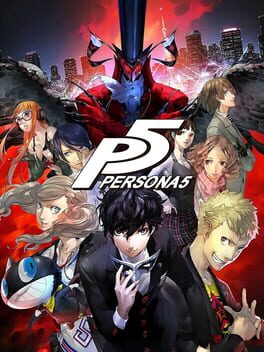
When I was a kid, the Persona series was on the fringe of a niche. I had to be introduced to it on the original PlayStation by way of my cousin, who subsequently went on to show me Wild Arms and a few other classics. But after the resounding success of Persona 3, Atlus almost scrambled to meet demand with re-releases and alternate takes, culminating in an all-time high with Persona 4 Golden, one of the several “must haves” on the Vita.
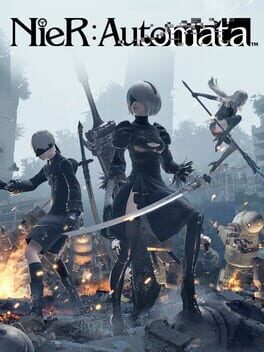
You don’t hear many people talk about the Drakengard or NieR series. It’s pretty well-known in some circles, but others are mostly just aware of it through silly boar riding and fishing .gifs.
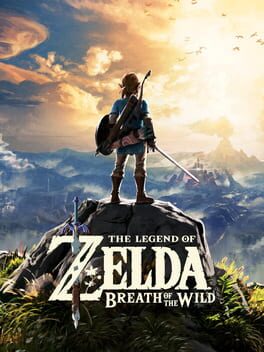
For many years, Nintendo simply didn’t know what people wanted out of a Zelda game. Originally Wind Waker was going to feature a traditional “realistic” art style, but the creators got worried that in the increasingly competitive market they wouldn’t stand out — so Toon Link was born.
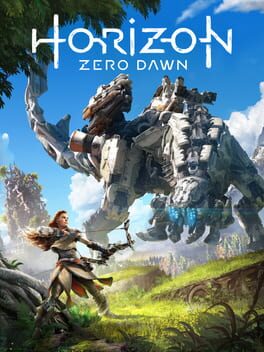
Horizon Zero Dawn came out of nothingness and delighted thousands. Born on a lark as the “most risky” concept from a Guerilla Games pitch session, the aesthetic of meshing tribal warfare with high-tech creatures is intriguing all on its own before one even picks up a DualShock remote.
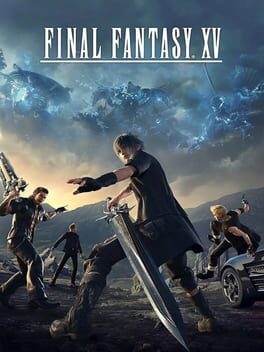
The fact that Final Fantasy XV starts with a broken down car is the perfect analogy to its development cycle. Some of us have been waiting 10 years for this game. Others couldn’t care less. Square Enix has been allocating so many resources to this world that was once part of the XIII universe, and now, before the eve of its launch, it’s even surpassed it in fanfare and white noise. We have a feature film with Hollywood actors, multiple spinoffs, DLC in droves, and if you reside in Japan, four de
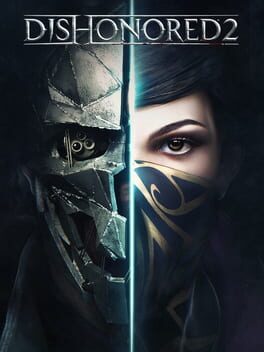
Not much has changed since my first few hours in the world of Dishonored 2, and that’s mostly a good thing.
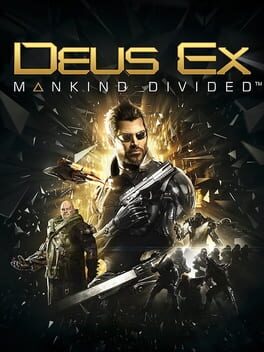
Call me crazy, but I mixed up the titles for Deus Ex: Human Revolution and Mankind Divided so many times during this review process, it’s unfathomable. I mean, they’re very similar games, both have very similar artwork and generic names, and they’re littered with promotional materials featuring the same protagonist. They even have the same goldenrod (or is it puce?) title screens.
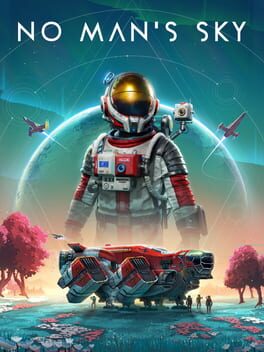
The last time we checked in with No Man’s Sky, I successfully repaired my ship, struggled with the inventory system, started to feel some fatigue from repeated elements of the random-generation algorithms, and was generally having a chill time exploring.
It’s safe to say that some people have been experiencing Souls fatigue. I mean, in the last two years, if you count a remake, there have been three retail Souls games (Dark Souls II, Scholar, and Bloodborne), on top of four DLC packs, and a mobile cash-in.
My first introduction to the Fallout series was in 1997, with Interplay’s wonderfully open and unique strategy RPG titles. So when Fallout 3 first dropped from Bethesda years later, I was taken aback by a lot of the concessions that were made to transfer the experience to a fully realized 3D world.
Despite the fact that most of the spinoff Metal Gear games are good in their own right, they just don’t get me excited the same way the mainline console editions do. Every core Metal Gear entry has something new, and offers up some sort of revelatory storyline event that has fans talking for years on end.
I have an odd history with The Witcher series. I absolutely fell in love with the first game near launch, at the behest of a friend, and adored the way it approached morality. Typically, games of that era would offer up black and white options, which I felt was a lazy way to incorporate the concept of karma into a game.
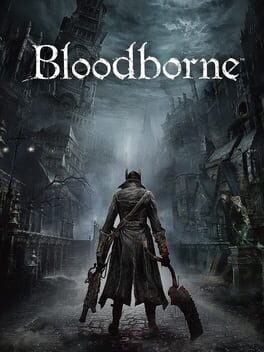
Hidetaka Miyazaki created a legacy with Demon’s Souls. With three Armored Core games under his belt at From Software, Miyazaki dared to capture the spirit of the King’s Field series for a new era, and thus the Souls series was born. His philosophy of “less is more” served as a driving force for the franchise’s allure, and his influences permeate throughout.
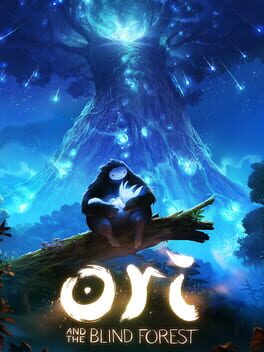
Every so often I come across a game that just makes me smile. I mean, I play videogames almost daily because I have fun doing it, but certain titles have me grinning from ear to ear the entire journey for a myriad of different reasons.
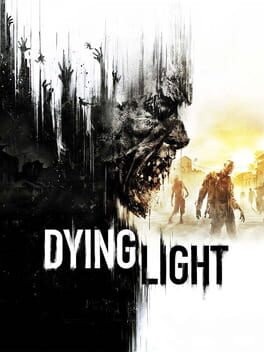
As you may have heard, we got our Dying Light review code pretty late. As in, the day before launch. A late show doesn’t necessarily instill confidence in a project, especially since a lot of fans had no idea what to expect from Techland’s latest.
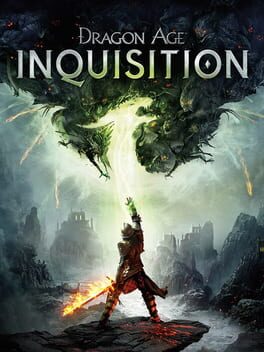
Dragon Age II felt like a great action game that was outsourced to a lesser developer. It lacked the polish BioWare typically puts into its titles, and almost the entire affair felt like a gigantic step back from everything Origins had established. What was once a promising franchise that reminded me of the glory days of RPGs such as Baldur’s Gate became a shadow of its former self, with lazily re-used assets and no sense of scale.