
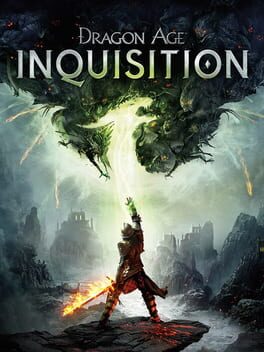
Dragon Age: Inquisition
BioWare Edmonton
· Electronic Arts
Adventure, Role-playing (RPG), Strategy, Tactical
Release Date: November 18, 2014
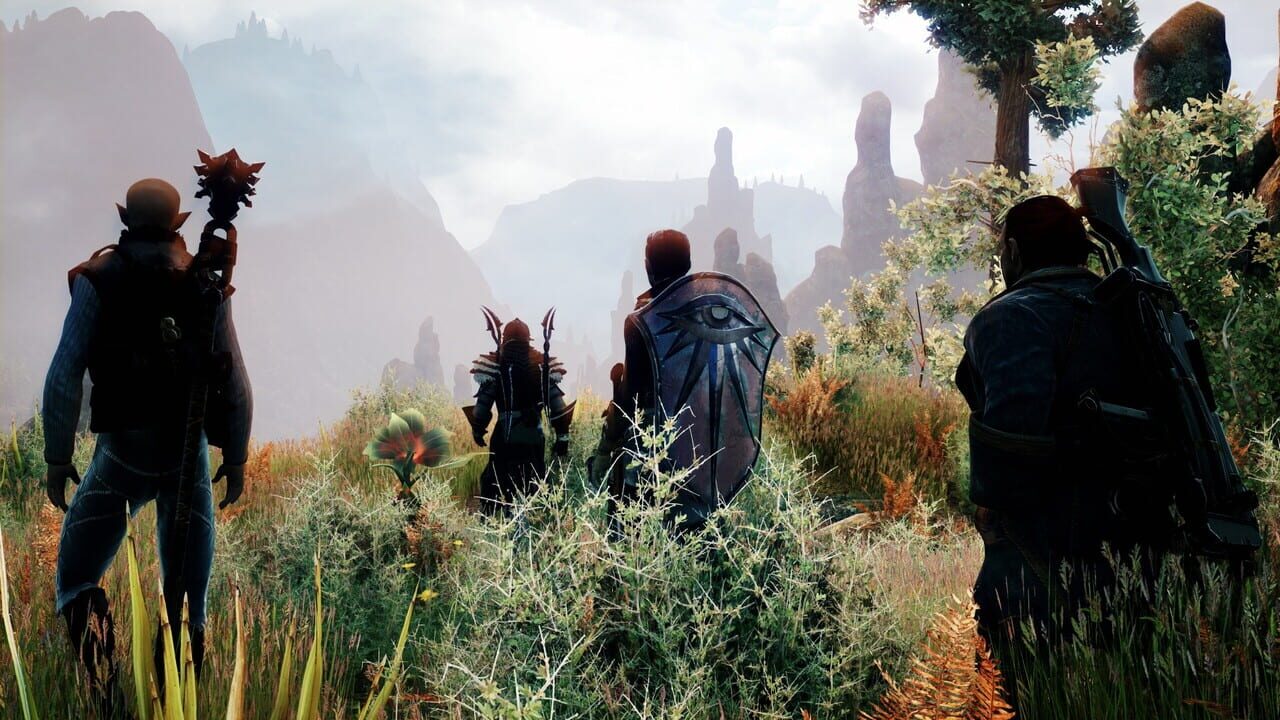
Dragon Age: Inquisition is a role-playing game and the third main game in the Dragon Age series. It is set in the Thedas continent, the same fantasy world as the two previous games. It consist of two large countries: Ferelden (from Dragon Age: Origins) and Orlais, as well as the land inbetween.
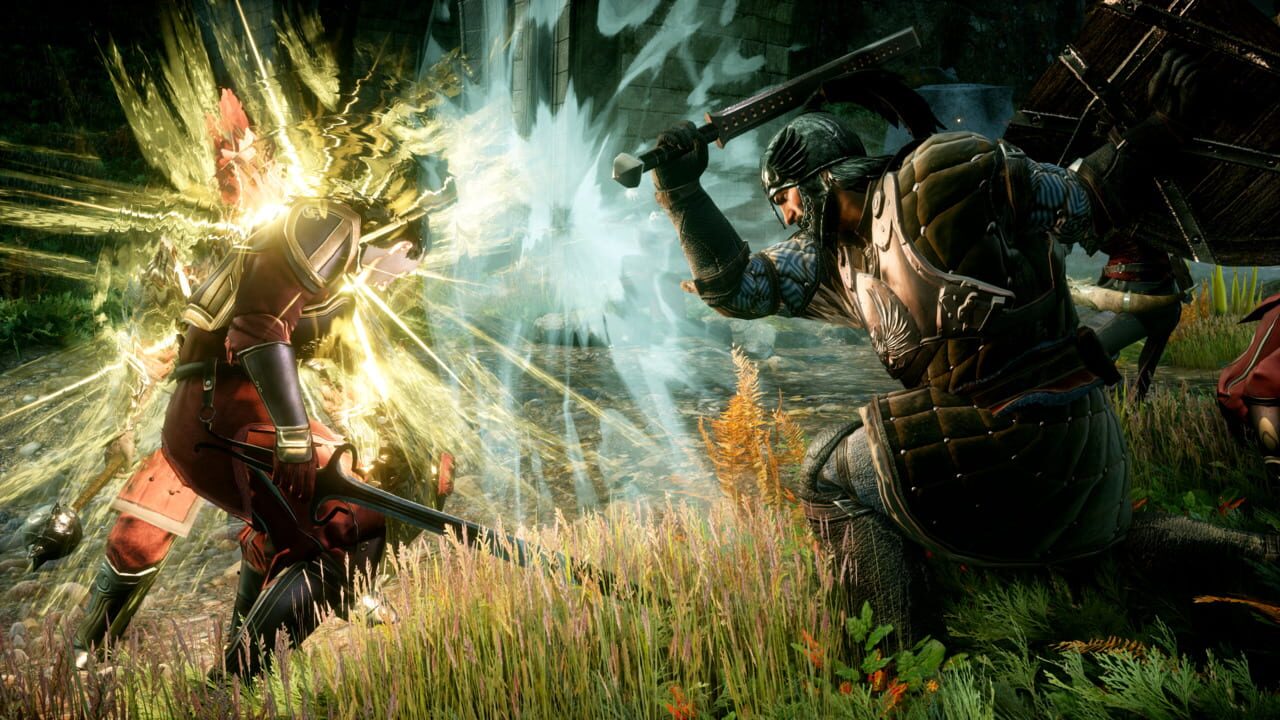
True to the spirit of the series the character can be customized for appearance, sex, class and race. The available races are dwarf, elf, human, and Qunari and the classes are mage, rogue, and warrior with three specializations each. To grow the Inquisition experience needs to be earned by completing quests, which allows the player to further define allegiances and pursue romances.
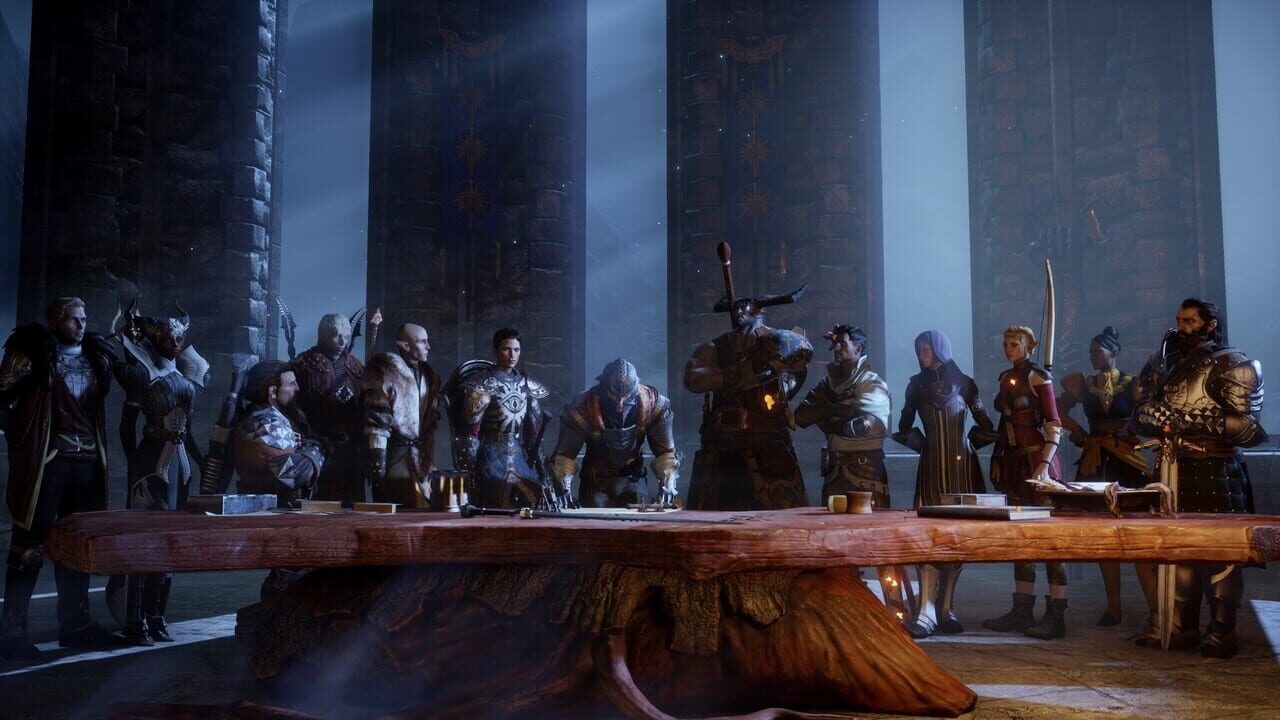
A custom party can be defined and each member benefits from experience as it opens up access to better weapons and more abilities. Power points open up new areas and Inquisition points define the influence over the region; each new level provides a perk that benefits the entire Inquisition.
84
▼
80
▲
90

Critic Reviews
7 reviews Giant Bomb
★★★★
★
80
Whether you wish to take on world-destroying madmen or simply wander around collecting herbs, Dragon Age: Inquisition is guaranteed to include something you'll enjoy doing.
 RPG Site
9/10
90
Dragon Age finds an exciting new direction with its largest-scale entry to date.
 IGN
IGN
8.8/10
88
BioWare brings Dragon Age closer back to its RPG roots
 GamesRadar
★★★★
★
80
It's no secret that many fans of Dragon Age: Origins weren't pleased with Dragon Age 2. And who could blame them? As a sequel to Origins, Dragon Age 2
 Eurogamer
★★★★★★★★
80
There's a definite end of an era feel to much of Dragon Age: Inquisition, whether or not BioWare has a fourth in the pi…
 PC Gamer
87/100
87
A fantastic campaign and massive open environments, soured only slightly by minor, persistent flaws.
 Destructoid
8.5/10
85
Dragon Age II felt like a great action game that was outsourced to a lesser developer. It lacked the polish BioWare typically puts into its titles, and almost the entire affair felt like a gigantic step back from everything Origins had established. What was once a promising franchise that reminded me of the glory days of RPGs such as Baldur’s Gate became a shadow of its former self, with lazily re-used assets and no sense of scale.